Face Protection Shield
Welcome to our exclusive collection of face protection shields, where safety and clarity go hand in hand
Face Protection Shield: Ensuring Safety and Comfort in the Workplace
In today’s world, face protection has become more crucial than ever. As workplaces face new challenges and safety concerns, it is essential to prioritize the well-being of employees. Face protection shields provide a reliable barrier against hazards such as airborne particles, splashes, and impacts, ensuring both safety and comfort. In this blog post, we will explore the significance of face protection shields, their various types, key features to consider, and how they benefit workers and organizations. Whether you’re an employer or an employee, understanding the importance of face protection shields is vital for creating a secure working environment and preventing potential risks to the face and eyes.
Section 1: The Importance of Face Protection Shields
The face is one of the most vulnerable areas in terms of workplace safety. It is exposed to various hazards, including flying debris, chemical splashes, infectious particles, and intense light. Face protection shields are designed to mitigate these risks and provide a barrier between the face and potential dangers, safeguarding both the eyes and the entire face.
Face protection shields play a vital role in preventing injuries, such as eye damage, burns, cuts, and infections. By wearing an appropriate face shield, workers significantly reduce the risk of serious injuries and ensure their overall well-being. Additionally, face protection shields are particularly crucial in industries where close contact with the public is common, such as healthcare, retail, and hospitality, as they help prevent the spread of infectious diseases.
Section 2: Types of Face Protection Shields
Face protection shields come in various types, each designed for specific workplace hazards and requirements. Here are some common types:
-
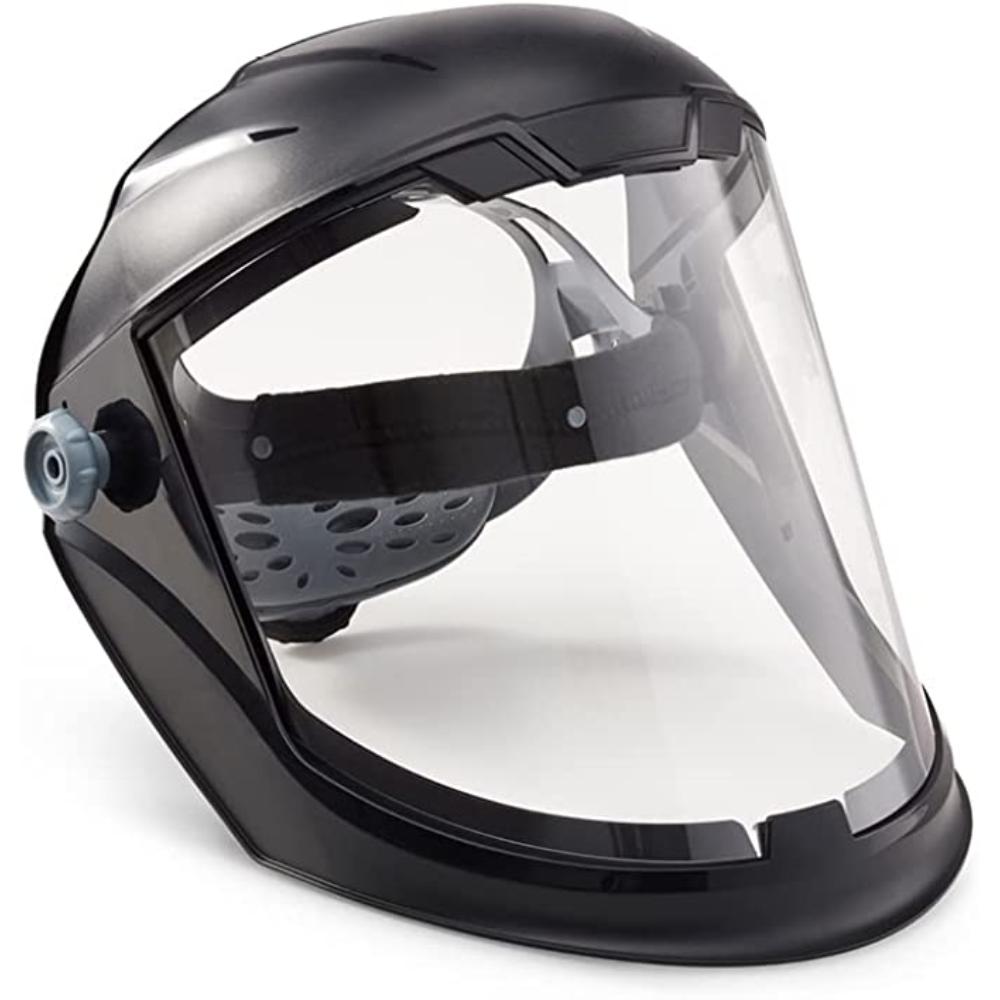
Full Face Shields: These shields provide comprehensive coverage for the entire face, including the eyes, nose, and mouth. They are typically made of clear, impact-resistant materials and offer protection against particles, splashes, and impacts. Full face shields are widely used in healthcare, laboratory, and manufacturing settings.
-
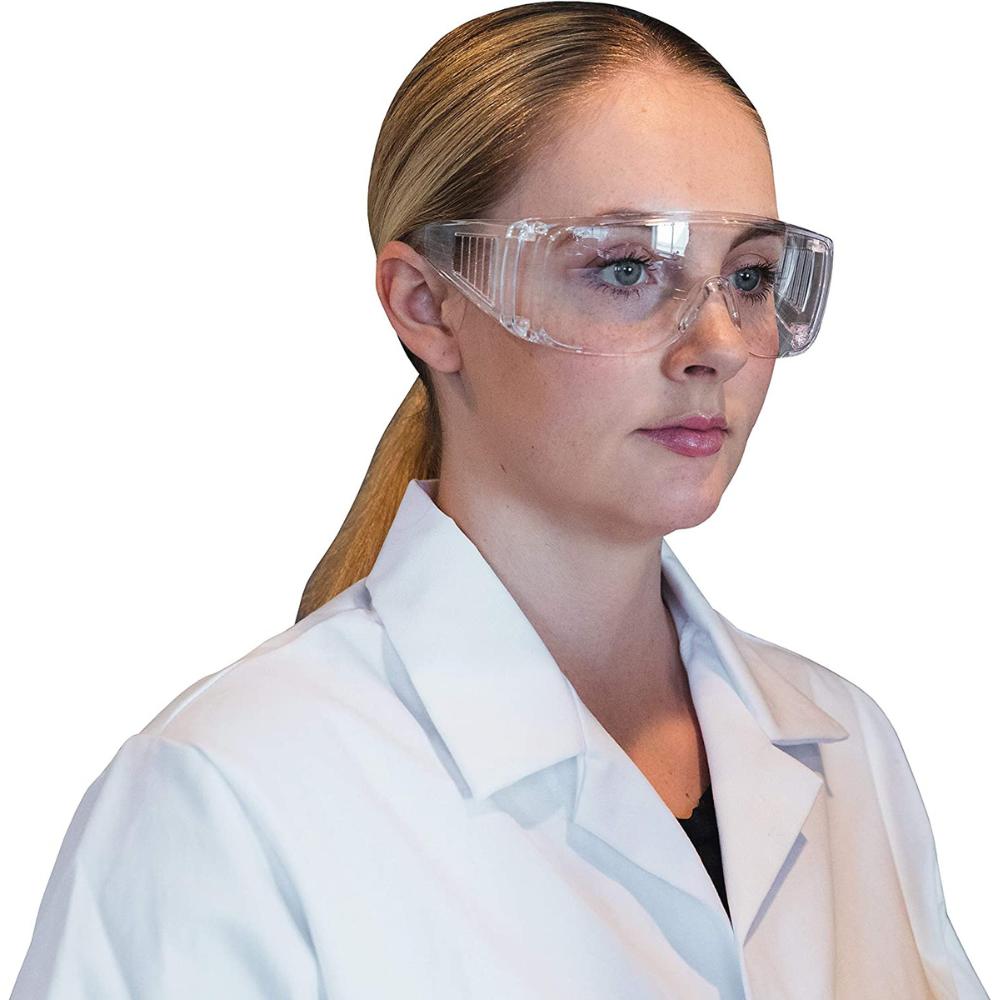
Visors and Clear Safety Glasses: These are combined face protection options that feature a transparent visor attached to a pair of safety glasses. They provide eye protection against impacts, splashes, and airborne particles while allowing for ease of movement and enhanced visibility. Visors and clear safety glasses are commonly used in construction, woodworking, and industrial applications.
-
Welding Face Shields: Specifically designed for welding and cutting operations, welding face shields offer protection against intense light, sparks, and heat generated during welding processes. They feature shaded lenses and a protective visor to shield the face and eyes from harmful radiation and flying debris.
-
Chemical Splash Shields: These shields are designed to protect against chemical splashes and hazardous substances. They are typically made of chemical-resistant materials and provide a full-face barrier to prevent skin and eye contact with corrosive or toxic substances.
Section 3: Key Features and Considerations
When selecting face protection shields, several key features and considerations should be taken into account:
-
Optics and Clarity: Face shields should offer clear and distortion-free vision to ensure visibility and accuracy in tasks. High-quality materials, such as polycarbonate or acrylic, provide excellent optical properties.
-
Impact Resistance: The shield material should be able to withstand impacts from flying objects or debris, ensuring maximum protection. Look for shields that meet or exceed impact resistance standards, such as ANSI Z87.1.
-
Chemical Resistance: If working with hazardous substances, select a face protection shield that is resistant to chemicals and corrosive materials. Ensure the shield’s compatibility with the specific chemicals present in the workplace.
-
Comfort and Fit: Face protection shields should be comfortable to wear for extended periods. Look for shields with adjustable headbands, foam padding, and ergonomic designs to ensure a secure and comfortable fit.
-
Ease of Use and Maintenance: Consider shields that are easy to put on and take off, allowing for quick and hassle-free use. Additionally, choose shields that are easy to clean and maintain for prolonged use.
Section 4: Benefits of Face Protection Shields
Implementing face protection shields in the workplace offers numerous benefits:
-
Injury Prevention: The primary purpose of face protection shields is to prevent injuries to the face and eyes. By providing a reliable barrier, these shields minimize the risk of eye damage, burns, cuts, and infections, ensuring the safety and well-being of workers.
-
Compliance and Legal Obligation: Many occupational health and safety regulations mandate the use of face protection shields in industries where there is a risk of facial hazards. Adhering to these regulations ensures legal compliance and demonstrates an organization’s commitment to worker safety.
-
Enhanced Productivity: When workers feel safe and protected, their confidence and productivity increase. Face protection shields allow employees to focus on their tasks without the fear of potential injuries, resulting in improved performance and overall efficiency.
-
Hygiene and Infection Control: Face protection shields play a crucial role in preventing the spread of infectious diseases, particularly in industries where close contact with the public is common. They act as a physical barrier, reducing the risk of respiratory droplets reaching the face and eyes.
Face protection shields are essential safety equipment that protects the face and eyes from potential hazards in the workplace. By understanding the importance of face protection shields, the various types available, and the key features to consider, organizations can create a safe working environment and ensure the well-being of their employees. Implementing proper face protection shields not only prevents injuries but also demonstrates compliance with regulations, enhances productivity, and contributes to infection control efforts. Remember, investing in face protection shields is an investment in the safety and comfort of employees, promoting a secure and thriving workplace environment.